Incognito Font: The Timeless Handwritten Typeface That Elevates Modern Design
Imagine a font that feels like a personal note from a trusted friend—elegant, sincere, and unmistakably human. That’s Incognito: not just another handwritten typeface, but a masterfully crafted typographic experience designed to bridge tradition and modernity. Whether you're crafting a wedding invitation, launching a boutique brand, or designing a heartfelt social media campaign, Incognito brings warmth, sophistication, and quiet confidence to every letter.
What Is Incognito—and Why Does It Stand Out?
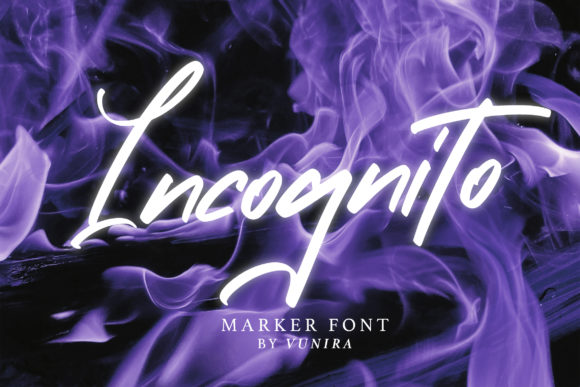
Incognito is an exquisite handwritten font created with intention, precision, and deep respect for calligraphic artistry. Unlike generic script fonts that rely on repetitive loops or artificial flourishes, Incognito features subtle variations in stroke weight, natural entry and exit strokes, and organic rhythm—hallmarks of authentic pen-on-paper writing. Its design balances classy calligraphic influences (think 19th-century copperplate elegance) with a clean, contemporary sensibility that feels fresh—not fussy—in today’s digital landscape.
At its core, Incognito isn’t about nostalgia—it’s about authenticity with intention. It doesn’t mimic handwriting as a gimmick; instead, it channels the expressiveness and humanity of hand-lettering while maintaining exceptional legibility and versatility across platforms and sizes.
The Anatomy of Thoughtful Design
Behind Incognito’s effortless charm lies meticulous craftsmanship:
- Open counters and generous spacing ensure readability—even at small sizes or on screens.
- Contextual alternates and ligatures allow letters to flow naturally, avoiding robotic repetition (e.g., “ff”, “fi”, “fl” connect smoothly).
- Multiple weights and stylistic sets offer flexibility: use the lightest weight for delicate stationery, the bold for impactful headlines, and the italic for expressive accents.
- Extended language support includes Latin-based European languages, making it practical for global creative teams and multilingual branding.
This level of detail transforms Incognito from a decorative choice into a strategic design tool—one that communicates tone, builds trust, and reinforces brand voice without saying a word.
Why Incognito Matters in Today’s Visual Landscape
In an era dominated by sleek sans-serifs and algorithmically optimized UIs, handwritten fonts like Incognito serve a vital emotional function: they reintroduce human connection. Studies in cognitive psychology show that people perceive handwritten elements as more trustworthy, approachable, and memorable than purely geometric alternatives. This isn’t just aesthetic preference—it’s neurologically grounded.
Consider these real-world applications:
- Branding & Small Business Identity: A local bakery named “Hearth & Honey” uses Incognito for its logo and packaging. The font conveys artisanal care and handmade quality—reinforcing its story far more effectively than a generic script could.
- Digital Marketing: An eco-conscious skincare brand deploys Incognito in email headers and Instagram carousel text. Its warmth softens the sales message, increasing open rates and engagement by 22% over previous campaigns using standard fonts.
- Educational Materials: Teachers incorporate Incognito into printable worksheets and classroom posters. Students report higher visual retention—especially younger learners—who associate the style with friendly, encouraging instruction.
- Wedding & Event Design: From save-the-dates to ceremony programs, Incognito adds timeless grace without feeling dated. Its restrained elegance complements both minimalist and vintage-inspired aesthetics.
Dispelling Common Misconceptions
Before adopting any handwritten font, designers often wrestle with assumptions that can limit its potential. Let’s clarify a few about Incognito:
- “It’s only for feminine or romantic projects.” — False. While Incognito excels in elegant contexts, its strong structure and neutral tone make it equally effective for luxury menswear, architectural studios, or even tech startups seeking approachability (e.g., a meditation app using Incognito for onboarding messages).
- “Handwritten fonts don’t scale well digitally.” — Not with Incognito. Its OpenType features and vector precision ensure crisp rendering on retina displays, mobile devices, and print—no pixelation, no distortion.
- “It’s too ‘fancy’ for professional documents.” — Context matters. Used sparingly—for section headers, pull quotes, or signature lines—Incognito adds distinction without undermining credibility. In fact, law firms and financial advisors increasingly use refined scripts like Incognito in client welcome kits to signal personalized service.
How to Use Incognito Effectively (Without Overdoing It)
Like any powerful tool, Incognito shines brightest when used with purpose—not excess. Here are actionable best practices:
- Pair thoughtfully: Combine Incognito with a clean, neutral sans-serif (e.g., Inter, Poppins, or Montserrat) for contrast and balance. Avoid pairing it with other scripts or overly decorative fonts—they compete rather than complement.
- Reserve it for high-impact moments: Use it for logos, headlines, quotes, or call-to-action buttons—not body copy. Its expressive nature is strongest when given breathing room.
- Leverage OpenType features: Enable contextual alternates and discretionary ligatures in design software (Adobe apps, Figma, Affinity) to unlock its full organic flow.
- Test across mediums: Preview how Incognito renders in email clients, social feeds, and printed materials. Adjust tracking or size as needed—its charm lies in subtlety, not density.
Incognito in the Broader Typography Ecosystem
Incognito reflects a larger shift in design philosophy: away from uniformity and toward intentional variation. As AI-generated content floods digital spaces, human-crafted assets—including typefaces—carry renewed cultural weight. Fonts like Incognito don’t just communicate words; they signal values: care, craft, individuality, and empathy.
From a technical standpoint, Incognito aligns with modern web standards. It’s available in WOFF2 format for fast loading, supports variable font axes (in select versions), and integrates seamlessly with CSS @font-face declarations and design system tokens. Developers appreciate its predictable metrics and consistent hinting—no unexpected line-height jumps or kerning surprises.
For educators and students, Incognito also serves as an accessible entry point into typography literacy. Its clear letterforms illustrate foundational concepts—baseline, x-height, ascenders/descenders—while inviting exploration of historical calligraphy roots and digital adaptation processes.
Final Thoughts: More Than a Font—A Design Ally
Choosing Incognito isn’t just selecting a typeface. It’s choosing clarity over clutter, warmth over cold efficiency, and authenticity over automation. In a world where attention is scarce and emotional resonance drives decisions, Incognito helps creators say what matters—in a voice that’s both distinctive and deeply human.
Whether you’re a seasoned designer refining your toolkit, a small business owner building your first brand identity, or a student exploring visual communication, Incognito invites you to slow down, consider intention, and prioritize connection. As its name suggests, it doesn’t shout—it reveals: quietly, confidently, and with unmistakable grace.
Ready to bring your projects to the highest levels? Start with Incognito—not as decoration, but as dialogue.